Experience Europe in Maastricht
On 9 May, Europe celebrates its birthday. Europe Day commemorates the day in 1950 when the foundations were laid for what would later become the European Union. But did you know that perhaps nowhere is that EU more tangible than Maastricht? Find out why this city plays such an important role in Europe.
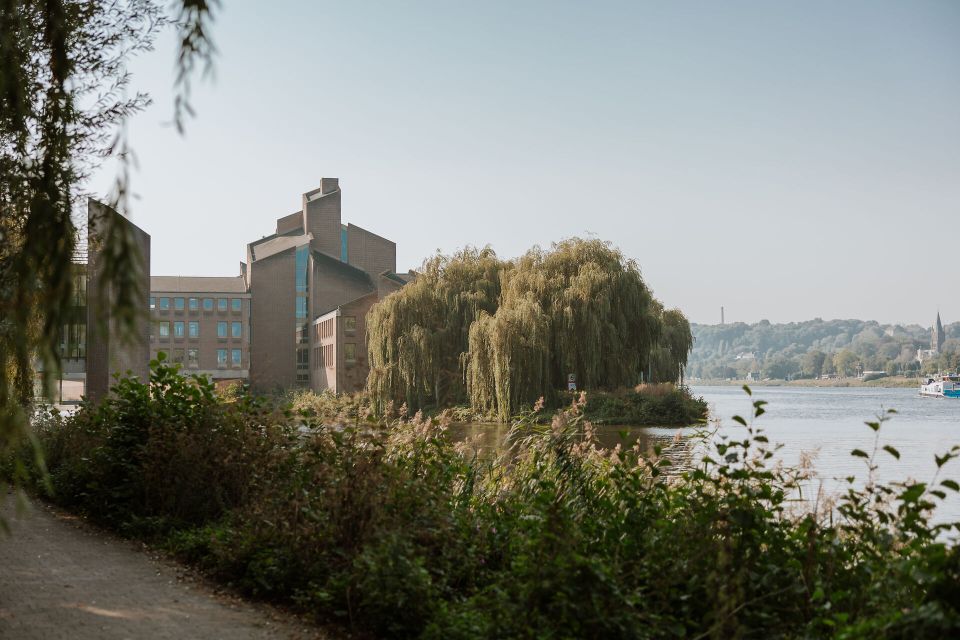
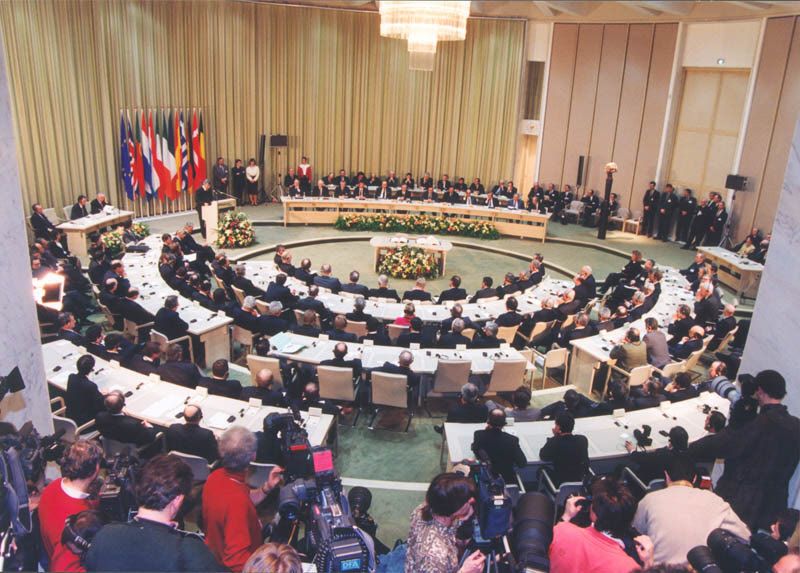
You've probably heard of the Maastricht Treaty. On 7 February 1992, European foreign and finance ministers signed it at the Provincial Government of Limburg. The treaty changed the life of every European: it laid the foundations for the euro, gave the European Parliament more say and extended cooperation to new areas such as migration and security.
-
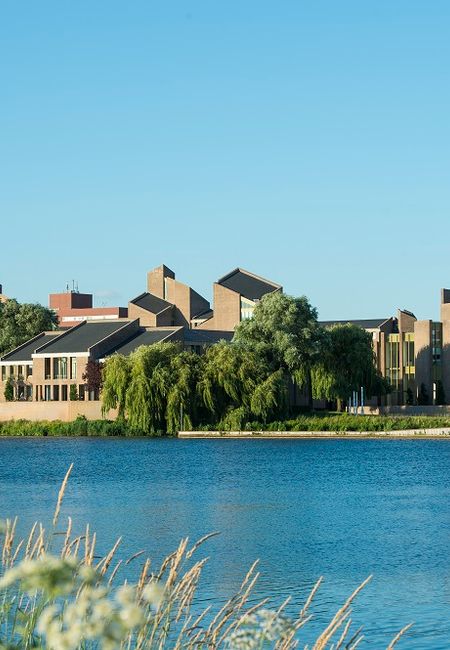
Provincial Government of Limburg
Provincial Government of Limburg
A modern provincial government building on the Meuse, renowned for its distinctive architecture, art collection and the signing of the Maastricht Treaty. More info about Provincial Government of Limburg – Provincial Government Building
Why in Maastricht?
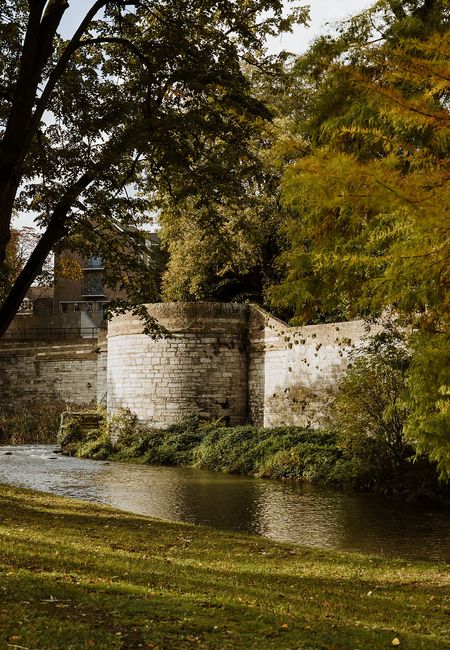
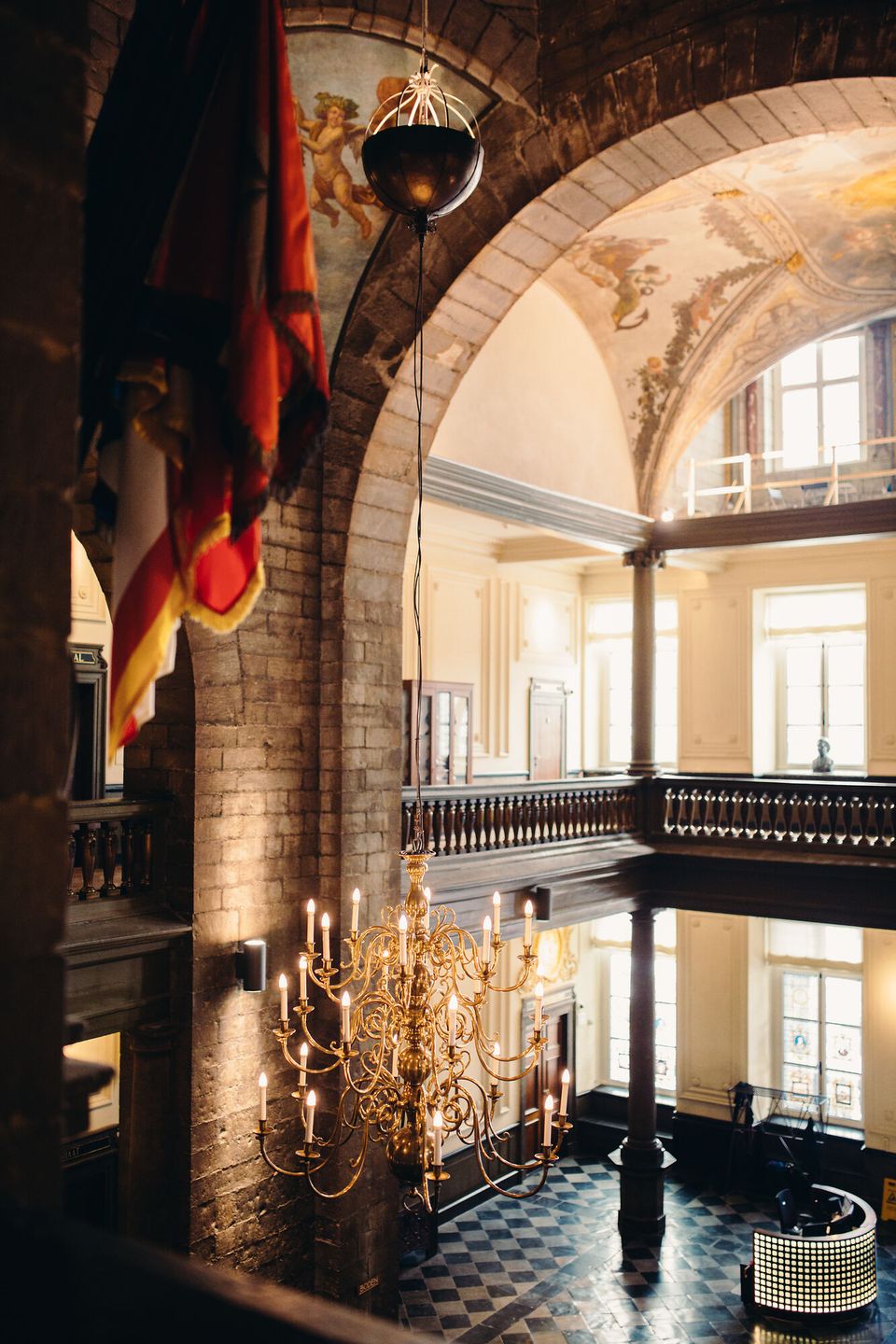
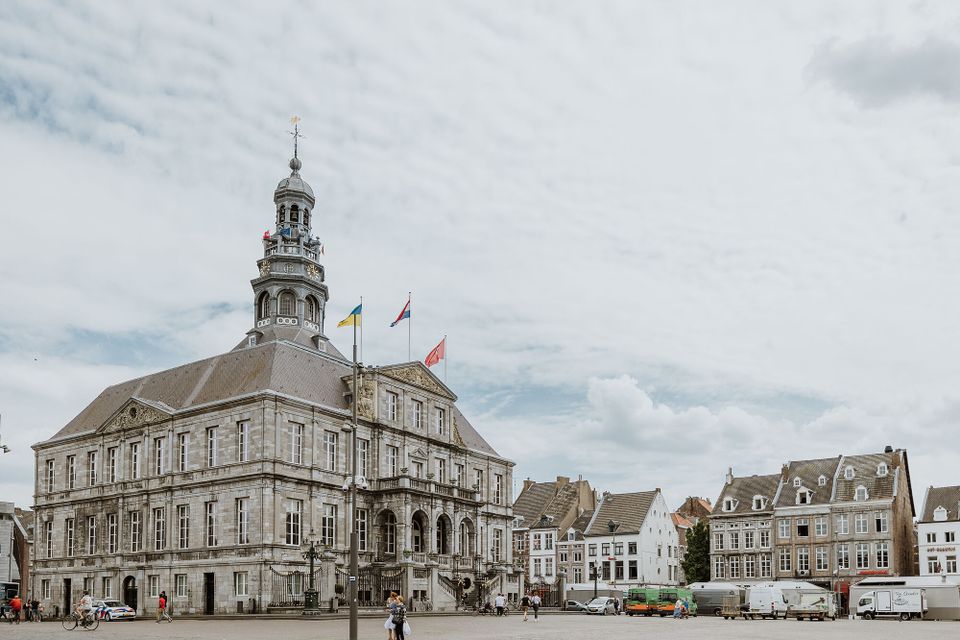
Maastricht and Europe have been linked for centuries. It started with the Romans, who built a bridge and trading post here on the river Meuse. In the Middle Ages, the city grew into a place where different powers came together. Dukes, bishops and European armies influenced the city. For a long time, Maastricht was even a 'dual city', governed by both Liege and Brabant. Borders were never obvious here.
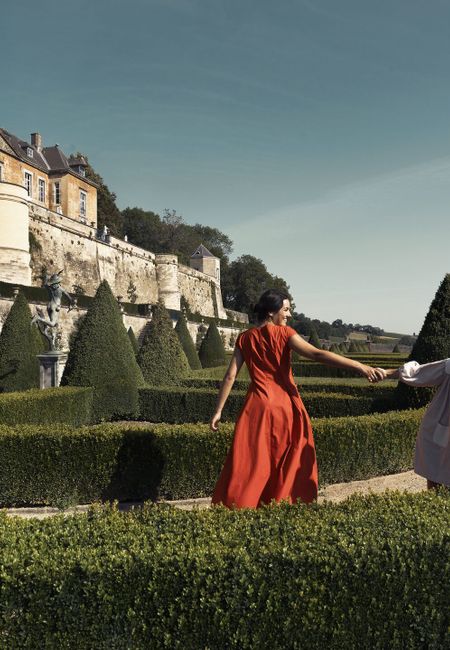
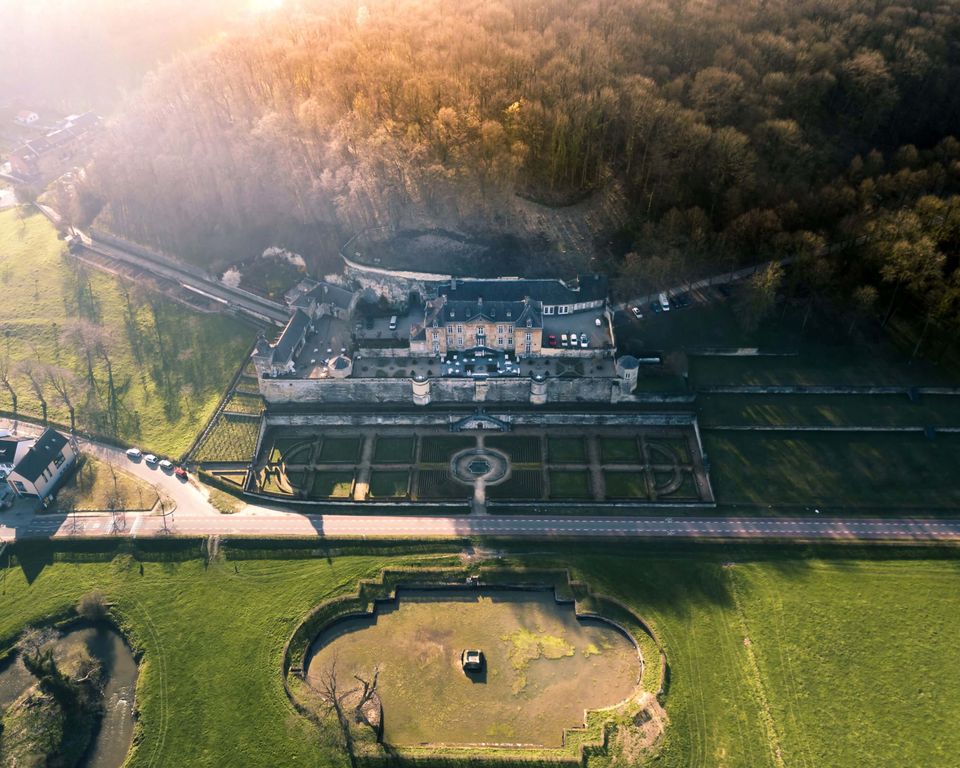
So it is no coincidence that the European heads of government met here on 9 and 10 December 1991 for the Euro Summit. On the first day, Queen Beatrix received them for lunch at Château Neercanne. All heads of state and government present put their signatures in memory on a marl wall in the castle's caves. You can still see those signatures there today.
-
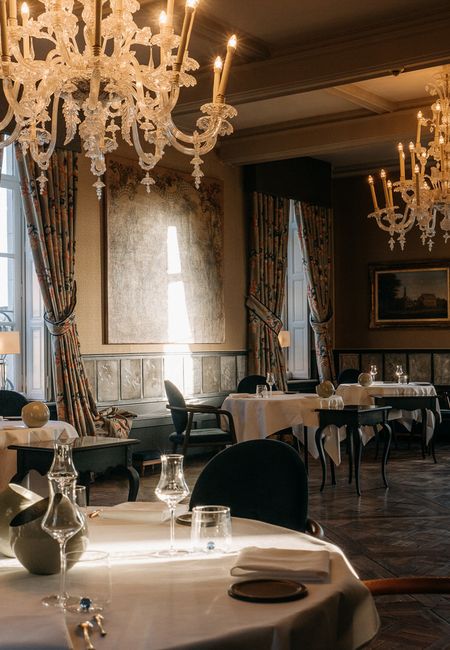
Restaurant Château Neercanne
Restaurant Château Neercanne
This atmospheric à la carte restaurant boasts a rich cultural and culinary tradition. More info about Restaurant Château Neercanne
Experience European heritage
In 2018, the Maastricht Treaty was awarded the European Heritage Label, a recognition by the European Commission for places of special European significance. This puts Maastricht in a league with Camp Westerbork, the Berlin Wall and the Peace Palace in The Hague.
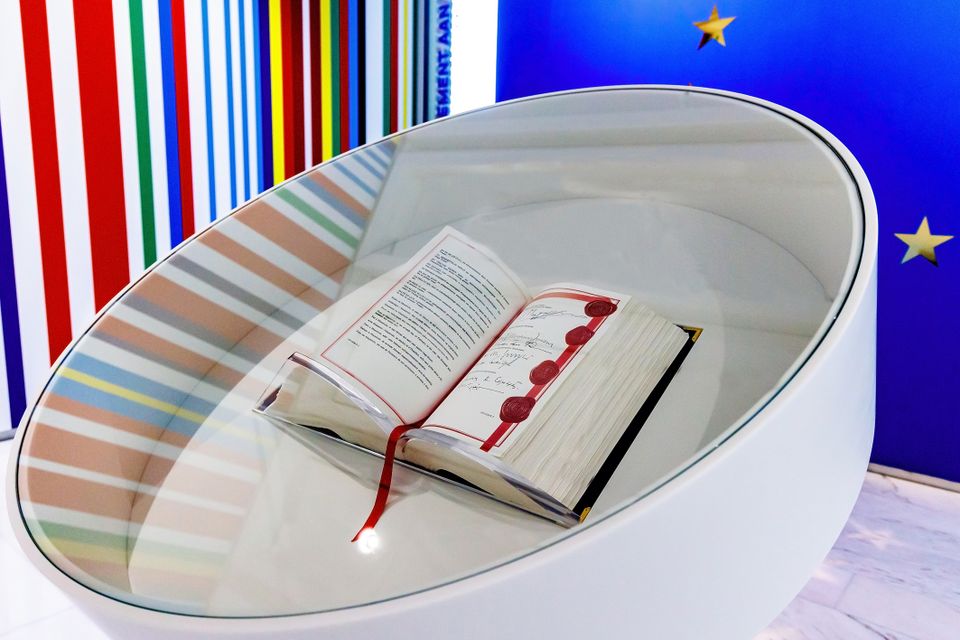
Want to experience this heritage for yourself? In the Provincial Government of Limburg you will find a permanent exhibition on the treaty, including a copy of the historical document. In the Maastricht Museum , you can take a seat at the original table at which the treaty was signed. And if you want to delve even deeper, visit Studio Europa. This centre of expertise at Universiteit Maastricht tells the story of broader European history with lectures, debates, podcasts and educational projects.
-
Maastricht Museum
Maastricht Museum
Discover Maastricht's history through art, heritage and special objects. The collection shows how the city developed over the centuries. More about Maastricht Museum
A working European city
Not only in history, but also today, Europe plays a role in Maastricht. Many programmes at Universiteit Maastricht are taught in English and have a European focus. The university is also a member of the Young Universities for the Future of Europe (YUFE) alliance, an alliance of ten young European universities.
The various international institutes based in Maastricht work on European issues every day. Like the European Journalism Centre, which aims to strengthen European media and journalism. And the European Institute of Public Administration (EIPA), which celebrates its 45th anniversary this year. Here, civil servants and policymakers from across the EU are trained and supported. The European Centre for Development Policy Management (ECDPM) is also celebrating an anniversary; for 40 this independent think tank for cooperation between Europe and Africa has been active in our city. These and other institutes show that Europe is alive and well in Maastricht.