Why Limburg vlaai is more than just a cake
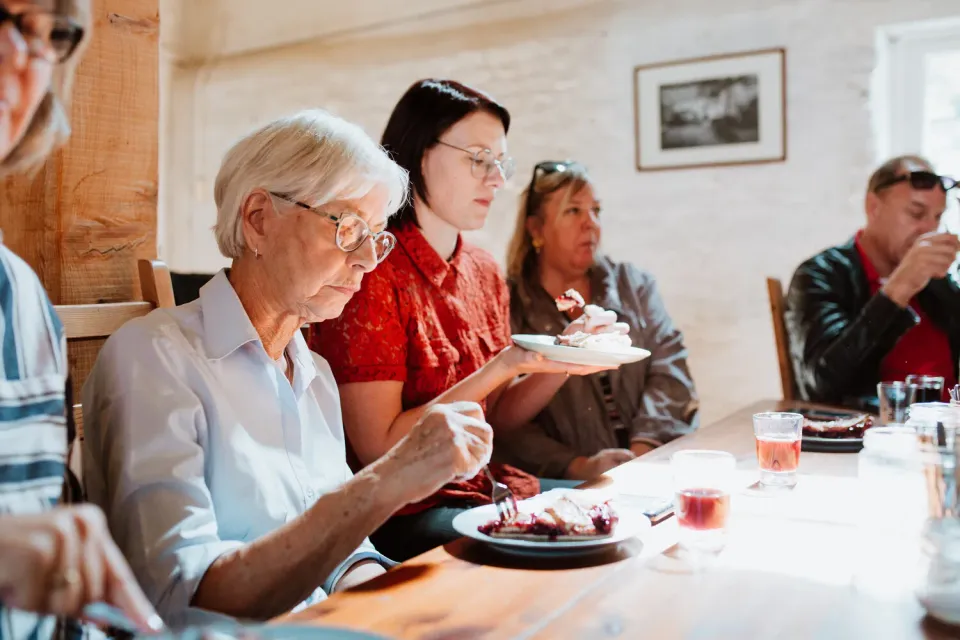
Anyone visiting Maastricht is often asked straight away: ‘Would you like a slice of vlaai?’ For people from Limburg, vlaai is an integral part of welcoming guests. You eat it at a birthday party or family gathering, but just as easily with a cup of coffee. This cake has been part of everyday and social life in Limburg for generations.
Baked for special occasions
The history of the Limburg vlaai lies in the countryside of Dutch and Belgian Limburg. Farming families used to bake vlaai using wheat dough and fruit from their own orchards. In 1878, the Dutch writer Jacobus Craandijk described a Limburg harvest festival at which family, workers, friends and neighbours gathered and vlaai was served.
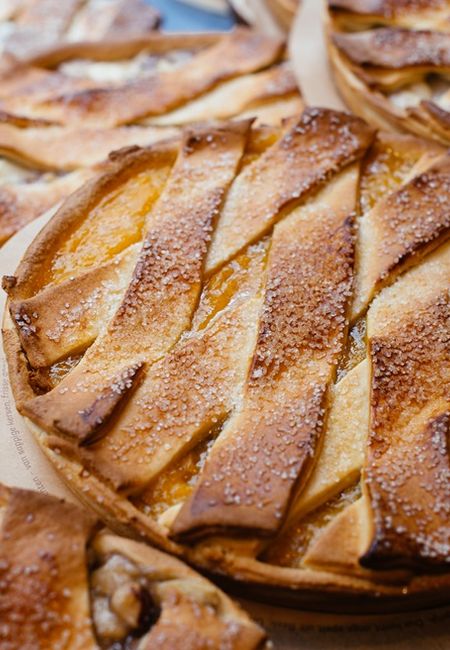
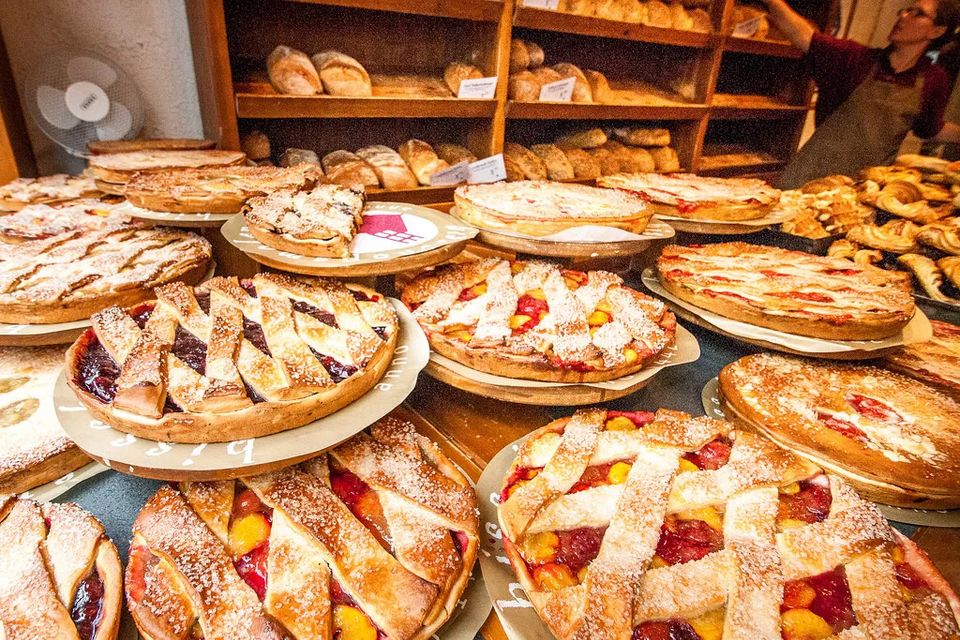
The available fruit determined the filling. Cherries, plums, apples, apricots and gooseberries were used fresh or preserved. By drying and preserving fruit, fruit tarts could be baked even outside the harvest season. Tarts made with rice or dairy products offered other possibilities throughout the year.
Which vlaai will be served?
That tradition is still very much alive today. At a Limburg birthday party, the decision-making often begins at the bakery: how many vlaaien are needed and which flavours should be chosen? Usually, there are several varieties, such as rice vlaai, cherry or apricot.
Preferences vary from family to family. Some families have been choosing the same flavours for years or go to their regular baker. In other households, they use their own recipe. This gives rise to traditions that are sometimes passed down from generation to generation.
When is a vlaai a Limburg vlaai?
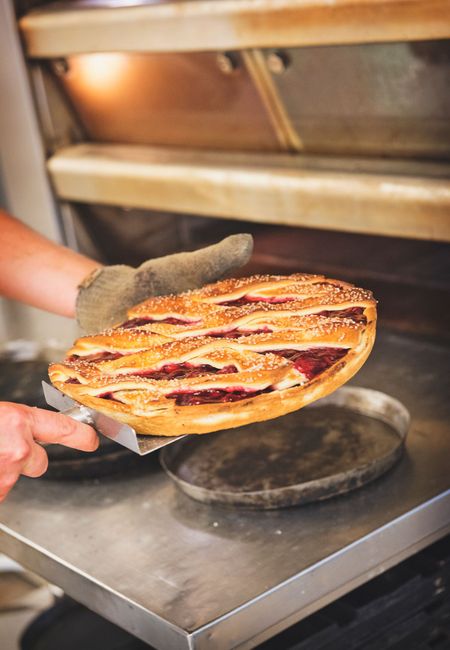
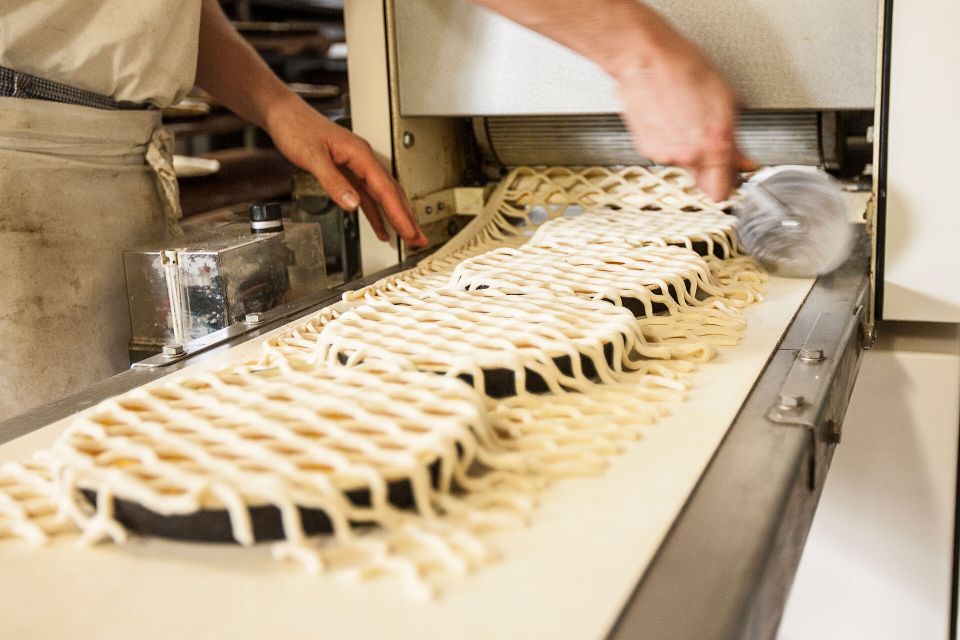
Since 2024, Limburg vlaai has held a European Protected Geographical Indication (PGI) status. To bear this name, a vlaai must meet specific requirements (view here). For instance, it must be prepared and baked in Dutch or Belgian Limburg. The base consists of sweet yeast dough and is no more than one centimetre thick after baking. The filling and any topping are baked together with the base.
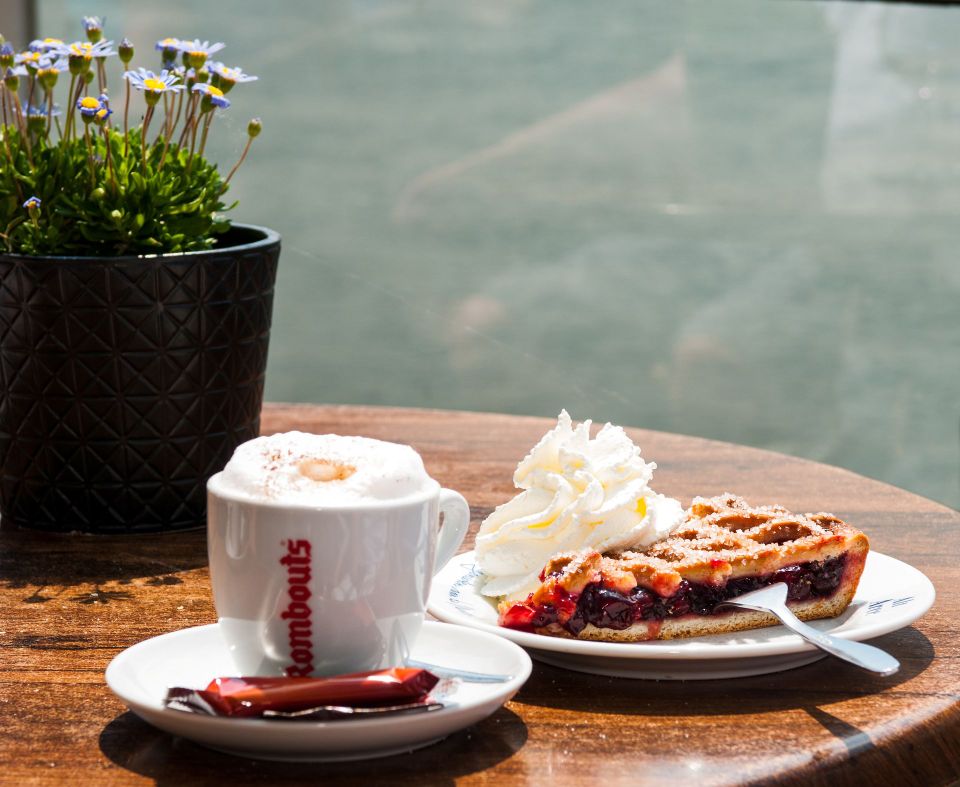
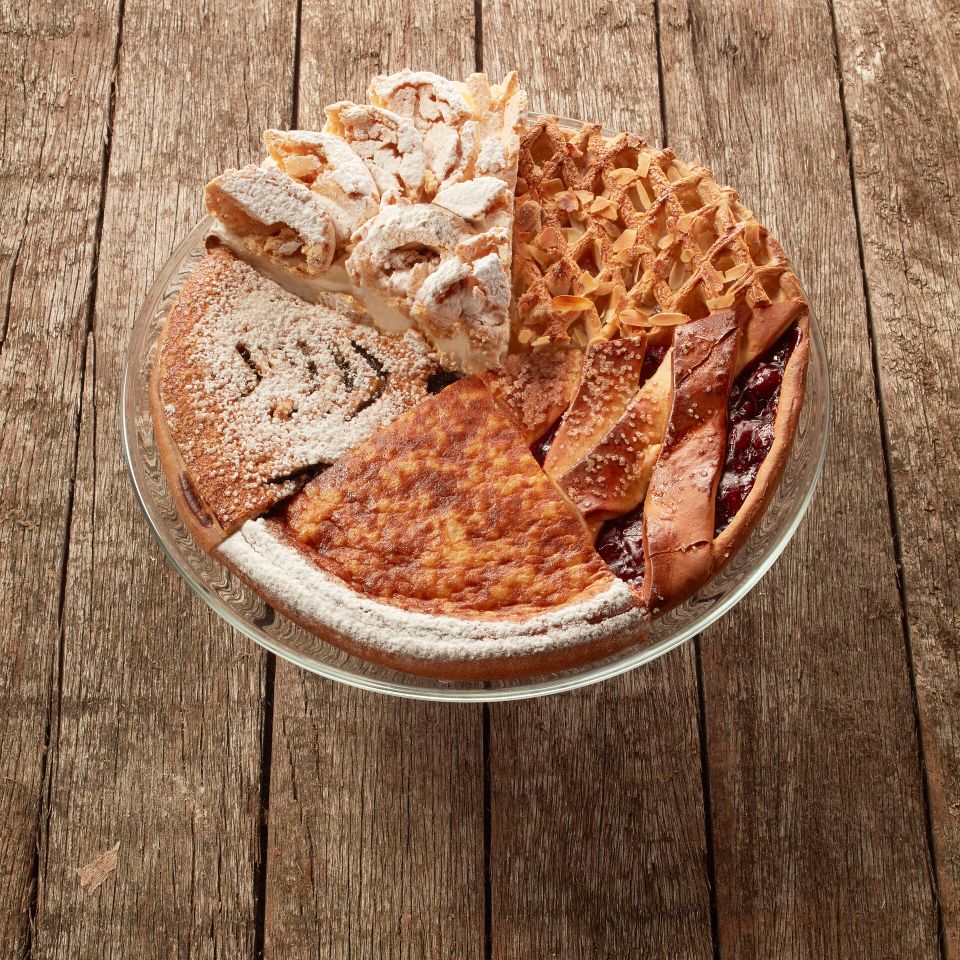
Toppings added afterwards, such as whipped cream, are not part of the protected Limburg vlaai. There are open varieties and vlaais with a lid, pastry handles or crumble topping. Permitted fillings include fruit, rice pudding, custard, semolina pudding and fresh cheese.
The PGI also establishes the geographical link with Limburg. In the product dossier, this is substantiated on the basis of the history and reputation of vlaai in both Dutch and Belgian Limburg.
Your first slice of vlaai in Maastricht
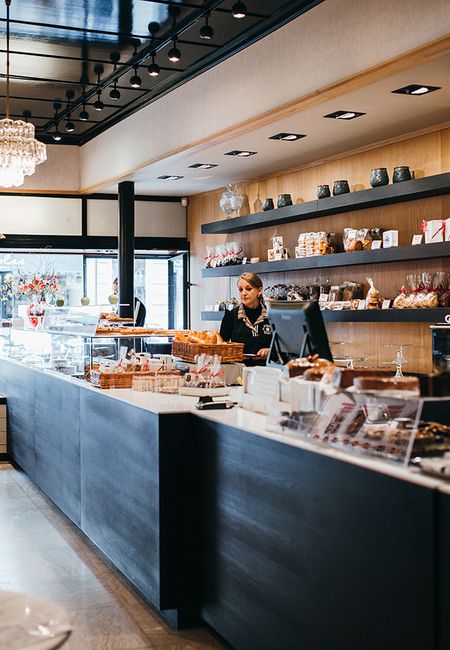
If you’re not yet familiar with vlaai, why not start by popping into a bakery or café in Maastricht? Ask what varieties are available that day. With a fruit vlaai, you’ll taste the combination of the thin base and the filling baked right into it. Rijstevlaai has a softer texture and is quite different again.
You can have a slice with your coffee or take a whole vlaai home to share. This will immediately introduce you to a custom that has been practised in Limburg for generations.
The Limburg vlaai also tells us something about the region in which it is made – about the fruit that grew there, the work of the bakers and the traditions that families have built up over time. For visitors to Maastricht, a slice of vlaai is therefore not just something to taste, but also a way to get to know a little of Limburg’s food culture.
Where are you going to get your vlaai?
-
Bakkerij Paulissen
Bakkerij Paulissen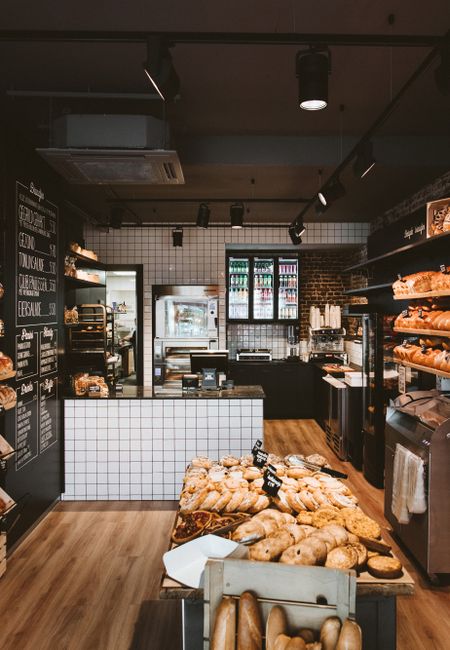
Bakkerij Paulissen is a modern Maastricht bakery and has a rich family history.
-
Bakkerij Mathieu Hermans
Bakkerij Mathieu Hermans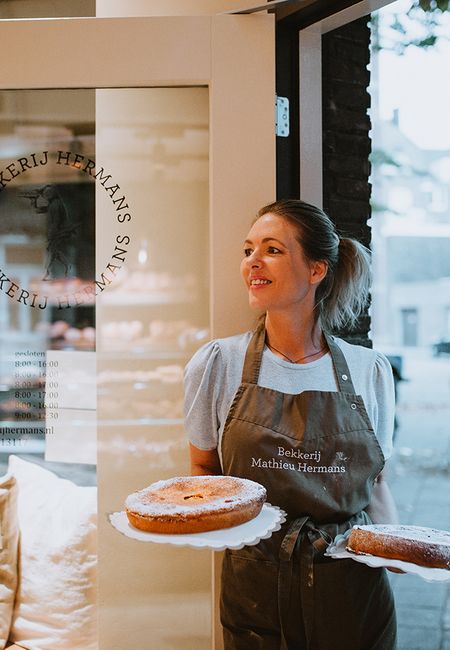
Classic Maastricht bakery, just outside the city centre.
-
Peter Lemmens Sint Pieter
Peter Lemmens Sint Pieter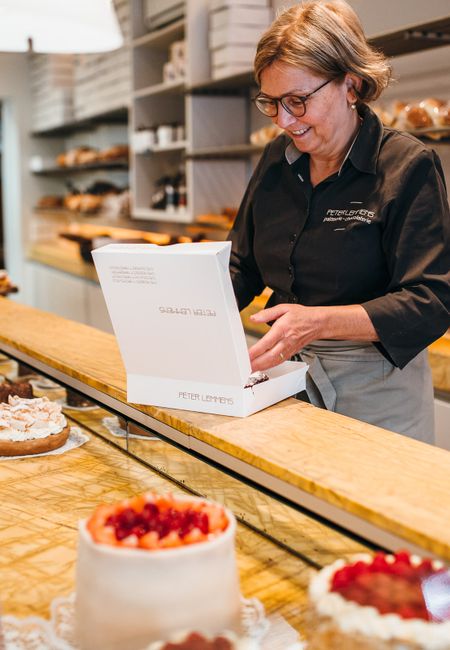
High-end patisserie and delicious local pastries.
-
Patisserie Noblesse
Patisserie Noblesse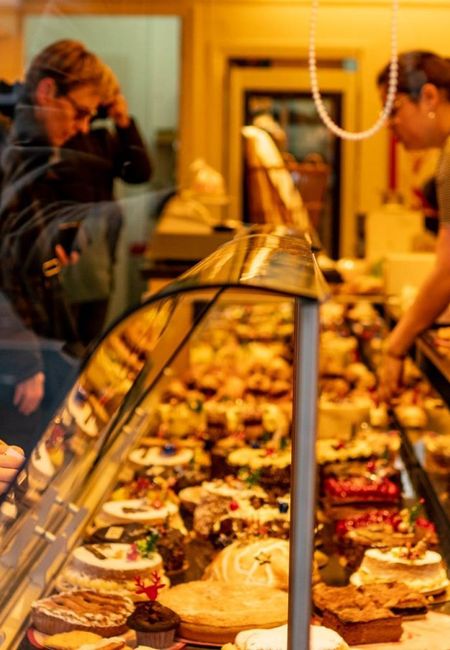
At patisserie Noblesse, craftsmanship is of paramount importance. Every day, traditional flans, bread and pastries are prepared according to an old recipe.
-
Patisserie Peter Lemmens Scharn
Patisserie Peter Lemmens Scharn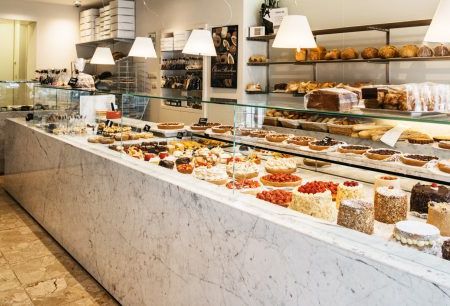
High-end patisserie and delicious local pastries.