
Saint Servatius Bridge
The oldest surviving stone bridge in the Netherlands, it has linked Maastricht city centre with Wyck for over seven centuries.


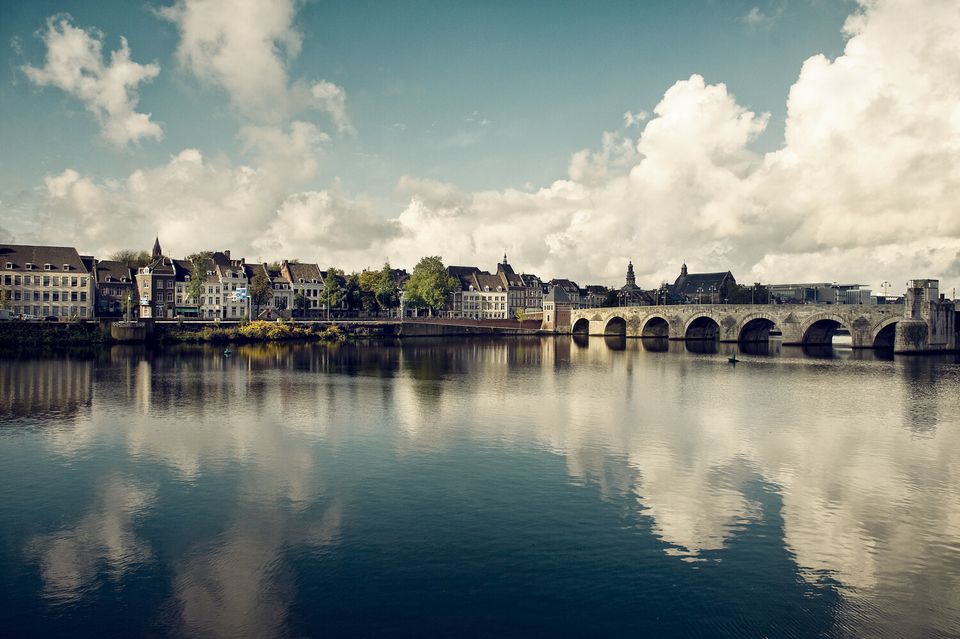
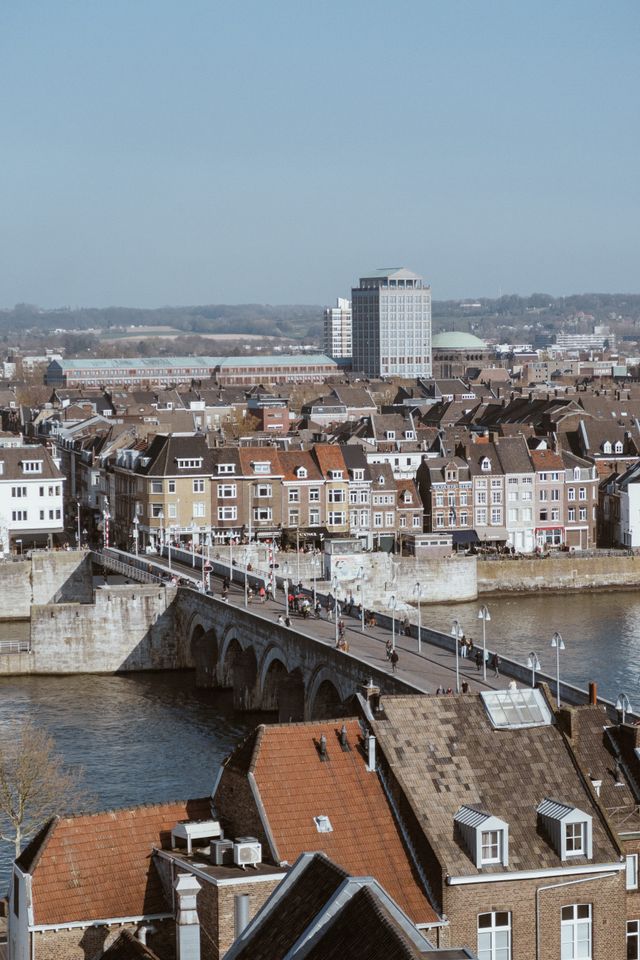
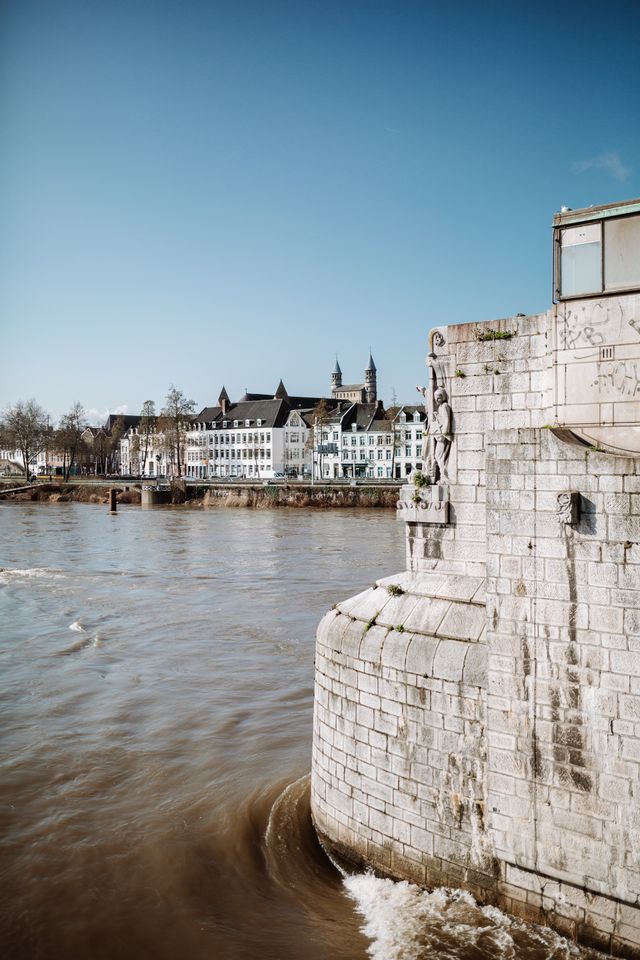
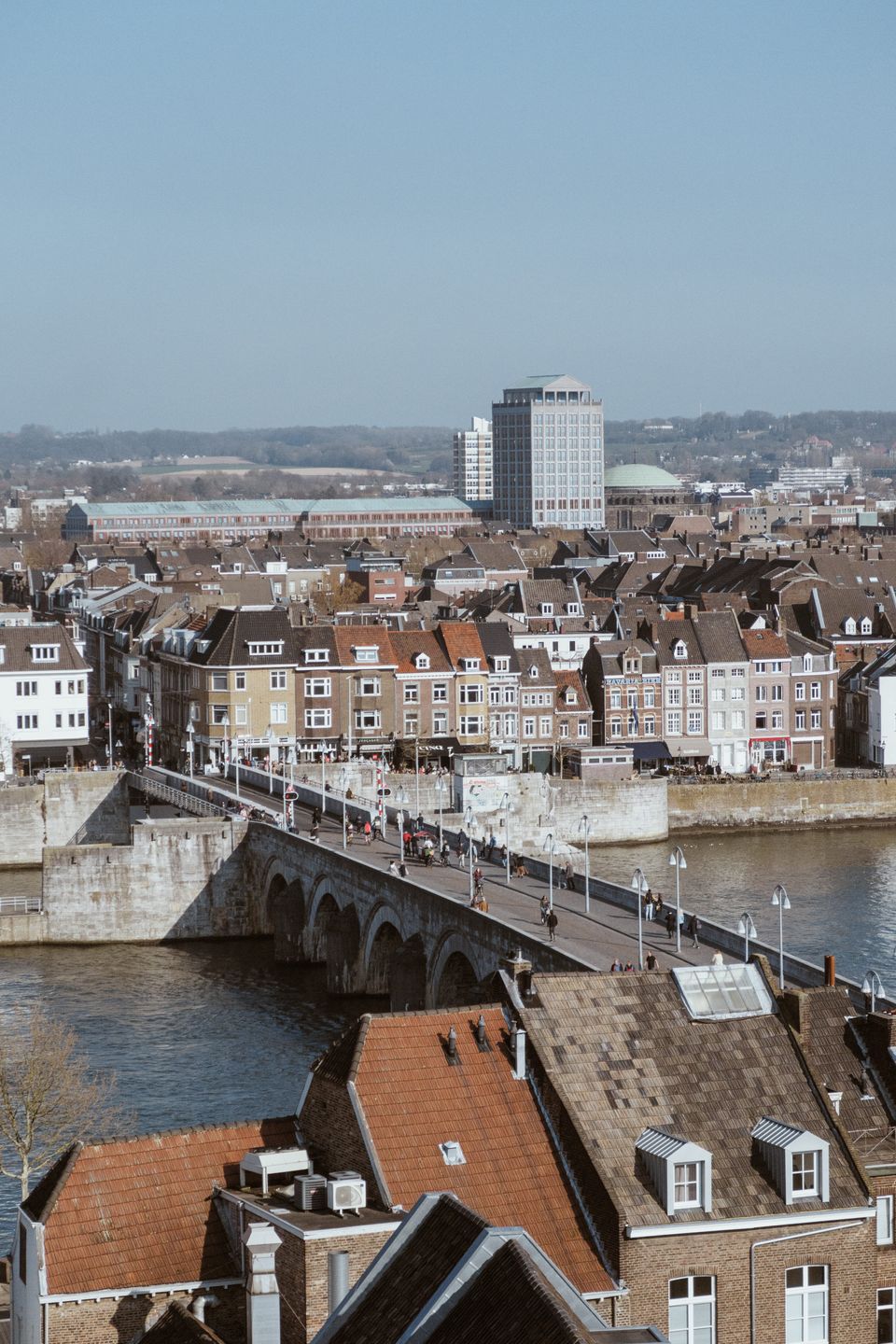
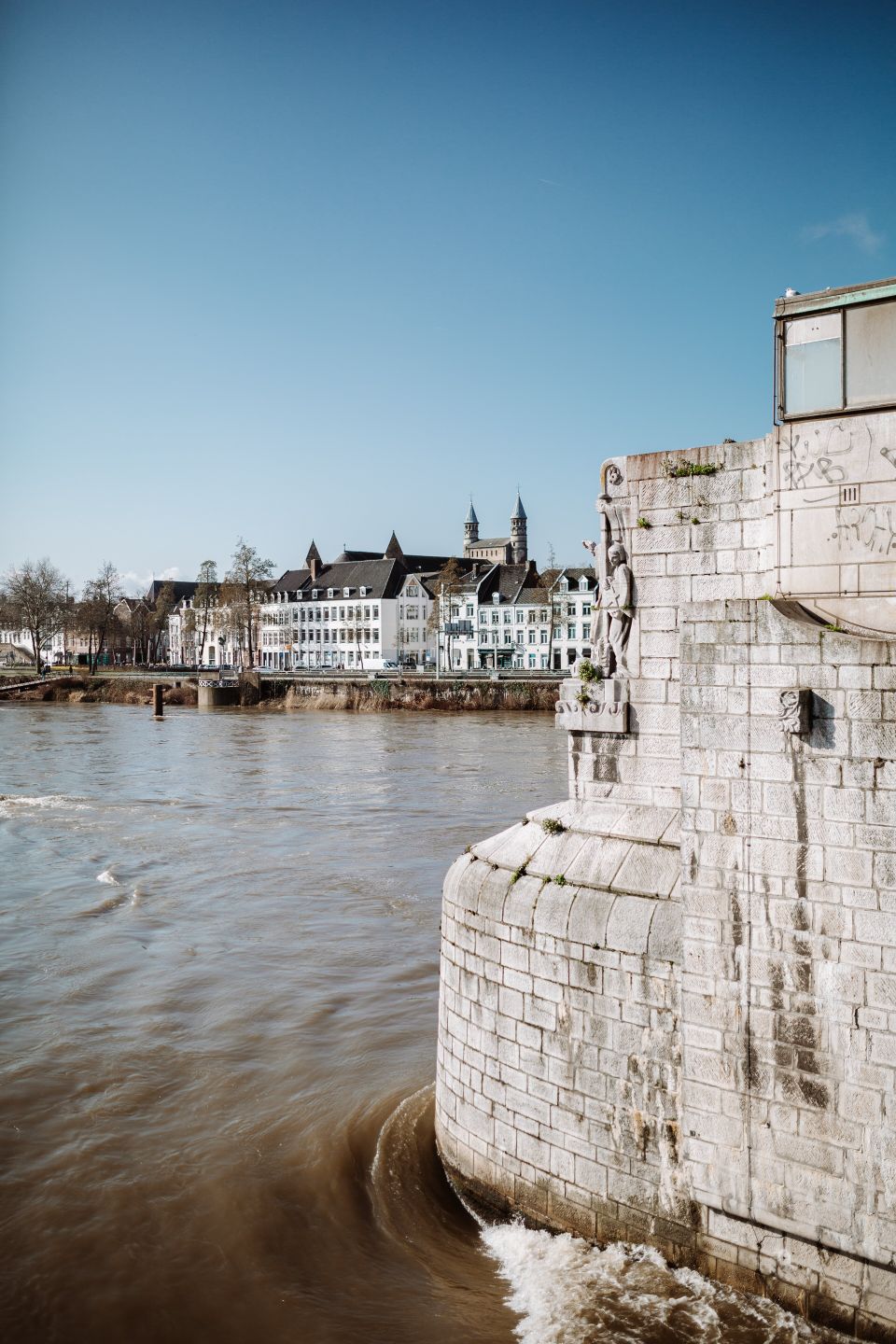
The St Servatius Bridge is one of Maastricht’s best-known landmarks. The bridge, named after St Servatius Basilica, connects the historic city centre with Wyck and has been an indispensable link in the city for over seven centuries. Construction of the current bridge began around 1280, and it is the oldest surviving stone bridge in the Netherlands.
From Roman bridge to medieval monument
The Sint Servaasbrug was not built on the same site as its predecessor. For centuries, a bridge dating back to Roman times stood slightly further south. After this bridge largely collapsed in 1275, it was decided to build a new stone bridge slightly further north. On the Maastricht bank, a column featuring a stone lion marks the spot where the Roman bridge once spanned the Meuse .
A bridge that has stood the test of time
Over the centuries, the bridge was adapted several times to changing circumstances. On the Wyck side, there was originally a wooden span which could be removed in times of war to better defend the city. Later, this was replaced by a stone and eventually a steel section of the bridge.
Wars have also left their mark. During the Second World War, parts of the bridge were severely damaged, but it was repaired each time. Despite all the renovations, the medieval core of the bridge has been preserved.
The bridge today
The Sint Servaasbrug remains an important link between Maastricht city centre and Wyck. The movable steel section of the bridge is still opened to allow tall inland vessels to pass through, making the bridge not only a historic monument but also a living part of the city.
Discover the surroundings
Tips in the area
Skip map elements