
The Watergate
A medieval water gate that for centuries formed the link between the city and the Meuse.


On the banks of Meuse, at the end of Waterpoort street, stands the Waterpoortje. This medieval water gate is one of the few remaining parts of Maastricht’s fortifications along the river. For centuries, the gate formed the link between the city and the Meuse and played an important role in daily trade.
A gateway to the Meuse
The Waterpoortje was probably built in the 13th century as a passageway from the city to a unloading quay on the Meuse. Goods were loaded and unloaded here, and boatmen had direct access to the city. Unlike the Helpoort, the Waterpoortje was primarily intended to provide a connection to the river.
The first written mention of the gate dates back to 1377. Over the centuries, it was known by various names, including Simon Mertenspoort, Kolenpoort and Batpoort. It was not until the 18th century that the name Waterpoortje came into general use.
From water gate to monument
When the function of the city walls changed, the Waterpoortje also lost its original role as an entrance to the unloading quay. The gate was rebuilt several times and adapted to the needs of the times.
In 1890, the monument was demolished, but was rebuilt in 1897 using the original materials. Thanks to this reconstruction, the Waterpoortje was preserved as a national monument and a reminder of Maastricht’s medieval history. At the start of this century, the monument was restored once again.
What’s there to see?
The Waterpoortje consists of a sturdy natural stone gateway with battlements and is situated right on the banks of Meuse. From here, you can clearly see how the city used to be directly connected to the river. A short distance away is the Sint Servaasbrug, which has served as an important crossing over the River Meuse for centuries.
-
The Watergate can be found in Wyck
Location
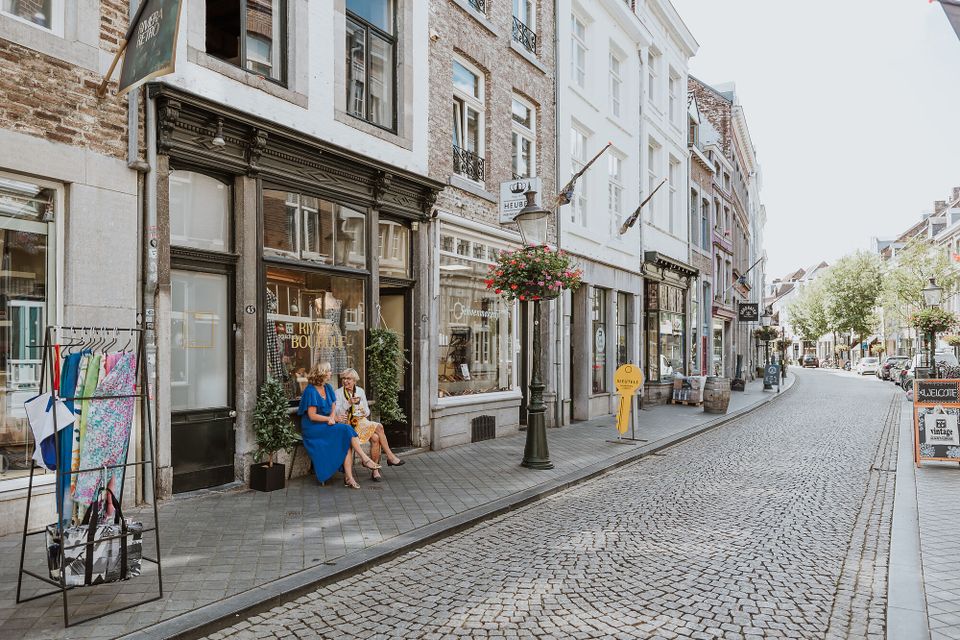
The atmospheric streets lined with beautiful townhouses in Wyck are perfect for a leisurely stroll. Many creative entrepreneurs have set up shop in Wyck in recent years. This is reflected in the bustling activity of this district.
Discover the surroundings
Tips in the area
Skip map elements