
The Meuse
The river that has shaped the origins, development and character of Maastricht for almost two thousand years.


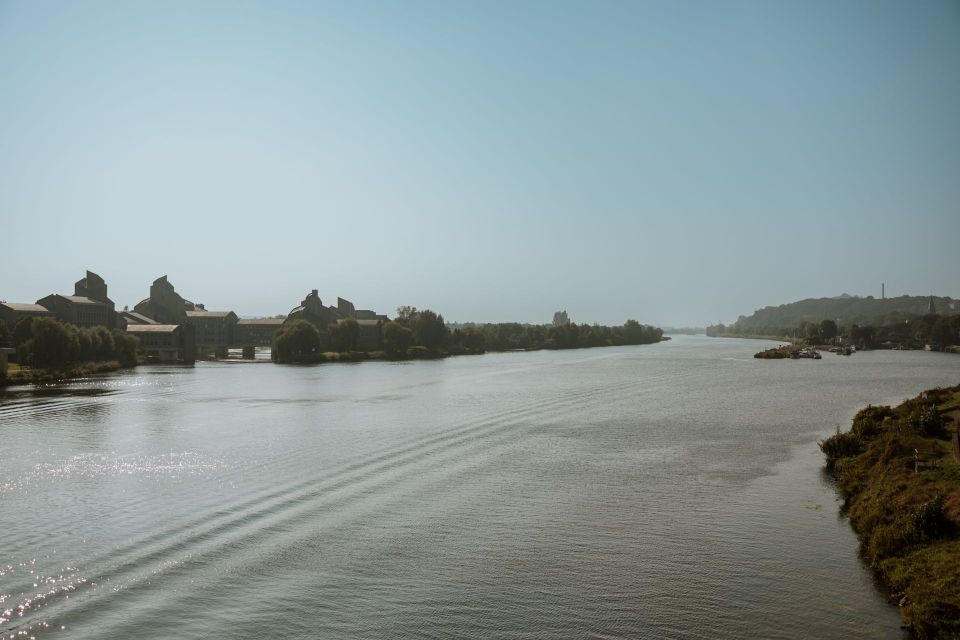
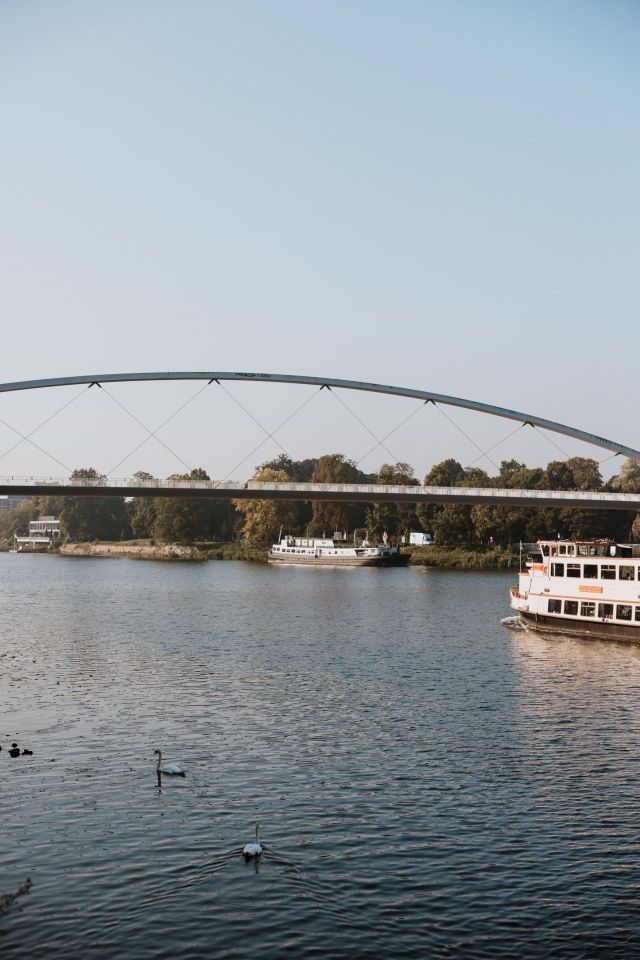
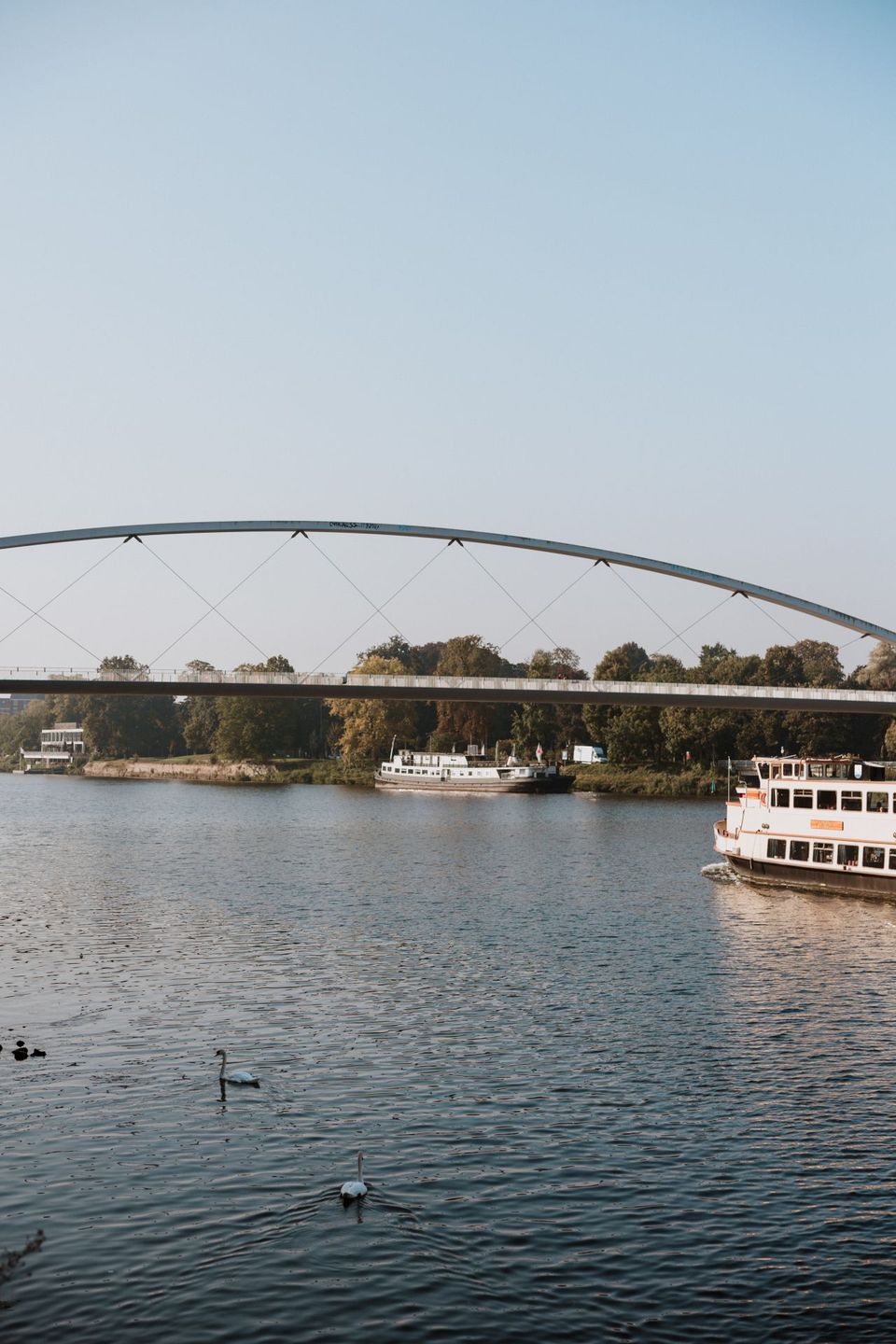
The Meuse flows right through Maastricht, connecting the historic city centre with the neighbourhoods on the eastern bank of the Meuse, such as Wyck and Céramique. Parks and quays line the banks, and various bridges connect the two parts of the city. The river has been inextricably linked to the city’s history for almost two thousand years.
The origins of Maastricht
The history of Maastricht begins with the Meuse. In Roman times, the Romans built a bridge here as part of an important trade route between the Atlantic coast and Cologne. A settlement sprang up around this crossing, which grew into what is now Maastricht.
The name Maastricht also refers to this history. The name is derived from the Latin ‘Mosa Trajectum’, which means ‘crossing on the Meuse
A river that connects the city
For centuries, the Meuse was of great importance to trade, transport and the development of Maastricht. The river formed a key waterway, whilst the bridge provided a connection by land. Together, they made Maastricht a major hub for travellers and traders.
The Meuse still plays a central role in the city. You can walk from the historic city centre to Wyck via the Sint Servaasbrug. The Hoge Brug connects the city centre with the Céramique district and is accessible only to pedestrians and cyclists.
Experiencing the Meuse
Along the Meuse , historic quays, modern bridges and green parks alternate. From the banks, you can enjoy views of both parts of the city and of life on and around the water.
You can also experience Meuse from the water. Various boat trips depart from the city centre. A short cruise takes you past well-known spots in Maastricht and on towards the Belgian border. Other routes take you via the historic inner harbour [’t Bassin], the Ternaaien lock and the Albert Canal, or even further to Liège. This way, you’ll discover not only Maastricht but also the Meuse landscape surrounding the city from a different perspective.
Charles Eyck Park is situated right by the river and is a peaceful spot to enjoy the view over the water.
Discover the surroundings
Tips in the area
Skip map elements